Listed Building Refurbishments
Posted on 15 June 2026
How to Modernise Historic Buildings Without Losing Their Character
Listed building refurbishment requires a careful balance between preserving heritage and creating spaces that meet modern standards. Whether you are an architect, developer, property owner, facilities manager or interior designer, refurbishing a listed building can feel complex. Strict regulations, hidden structural issues and the responsibility of protecting a historic asset often create uncertainty before a project even begins.
The right construction partner removes that uncertainty.
At Pacy & Wheatley, we have delivered listed building refurbishment projects across the UK, helping clients modernise and repurpose historic buildings while respecting their architectural significance.
In this guide, we'll explain what listed building refurbishment involves, the challenges you may face, and how an experienced contractor can help protect both your investment and the building's heritage.
What Is Listed Building Refurbishment?
Listed building refurbishment involves repairing, restoring, upgrading or repurposing a building that has been designated as having special architectural or historic interest.
Unlike standard refurbishment projects, work on listed buildings is subject to additional planning controls designed to preserve features that contribute to the building's historic significance. These features may include:
- Original stonework and brickwork
- Timber beams and roof structures
- Historic windows and doors
- Decorative plasterwork
- Traditional flooring
- Period architectural details
Refurbishment works must comply with regulations designed to protect the building's special architectural and historic significance while ensuring the building remains functional for future use.
Common Challenges During a Listed Building Refurbishment
Every listed building refurbishment project is different, but certain challenges appear regularly. Understanding them early can help avoid delays, unexpected costs and unnecessary disruption.
Hidden Structural Issues
Many listed buildings have undergone decades, or even centuries, of alterations and repairs. Once works begin, previously concealed issues such as timber decay, water ingress, structural movement or outdated construction methods may be uncovered.
Early surveys and investigations help reduce uncertainty and allow more accurate planning.
Balancing Heritage Requirements With Modern Expectations
Today's occupants expect buildings to provide comfort, accessibility, energy efficiency and reliable services. Achieving these improvements within a listed building often requires creative solutions that respect the building's historic fabric.
Navigating Consents and Approvals
Depending on the scope of works, approvals may be required before changes can proceed. Clear communication between the client, design team, contractor and conservation stakeholders is essential to keep projects moving forward efficiently.
Integrating Modern Building Services
Heating, ventilation, electrical systems and data infrastructure often need upgrading during refurbishment projects. Careful planning is required to incorporate these systems without affecting significant historic features.
Maintaining Budget Control
Unexpected discoveries can occur during any refurbishment project, particularly within older buildings. An experienced contractor will identify potential risks early, provide transparent communication and work proactively to minimise disruption to programme and budget.
Why Listed Building Refurbishment Requires Specialist Expertise
Many listed buildings were constructed using materials and techniques that differ significantly from modern construction methods.
A refurbishment project often uncovers hidden challenges such as:
- Structural deterioration concealed behind historic finishes
- Outdated building services
- Damp and moisture issues
- Non-compliant alterations from previous decades
- Complex planning and conservation requirements
Addressing these challenges requires more than construction knowledge. It requires an understanding of how historic buildings behave and how modern improvements can be integrated without causing damage.
For decision-makers, this is often where project risk arises. A lack of experience can lead to delays, increased costs, planning complications or unintended damage to protected features.
The Importance of Early Planning
One of the most effective ways to achieve a successful listed building refurbishment is through thorough planning at the earliest stage.
Before work begins, key considerations should include:
Understanding the Building's Significance
Every listed building is unique. Identifying which elements contribute to its historic importance helps shape refurbishment decisions and ensures sensitive features are protected.
Assessing Existing Conditions
Comprehensive surveys help uncover structural concerns, building fabric issues and service requirements before they impact programme or budget.
Defining Modern Requirements
Many refurbishment projects involve introducing modern facilities, improving accessibility, enhancing energy efficiency or creating new uses for existing spaces. These objectives need to be carefully balanced against heritage requirements.
Engaging Relevant Stakeholders
Conservation officers, planning authorities, design teams and contractors all play an important role in achieving the right outcome.
When these conversations happen early, projects typically progress more smoothly and with fewer surprises.
Common Misconceptions About Listed Buildings
Many property owners assume listed status prevents meaningful improvements.
In reality, many modernisations are possible when approached correctly.
'We Can't Improve Energy Efficiency'
While restrictions may apply to certain upgrades, many solutions can improve thermal performance without compromising historic character. Examples include sensitive insulation strategies, secondary glazing and carefully specified heating systems.
'The Building Can't Be Reconfigured'
Subject to approvals and design considerations, many listed buildings can be adapted for new uses. Historic buildings across the UK have successfully been transformed into offices, residential developments, educational facilities, hospitality venues and community spaces.
'Refurbishment Will Always Be More Expensive'
While listed building refurbishment can require specialist expertise, preserving and adapting an existing structure is often more sustainable and commercially viable than demolition and redevelopment.
The key is understanding the building's constraints from the outset and managing risk effectively throughout the project.
What Makes a Successful Listed Building Refurbishment?
The best refurbishment projects achieve three objectives simultaneously:
1. Protect Heritage
Historic features are preserved, repaired and celebrated rather than removed unnecessarily.
2. Improve Functionality
The building becomes fit for modern use, whether that means improving accessibility, updating services or creating new layouts.
3. Deliver Long-Term Value
A successful refurbishment extends the life of the building while enhancing its commercial, operational or residential value.
Achieving all three requires collaboration between client, design team and contractor from the earliest stages.
Lessons From Real Listed Building Refurbishment Projects
Experience shows that no two listed buildings present the same challenges.
At Pacy & Wheatley, our refurbishment and modernisation of the Grade II listed Officers Mess at the former Duke of Wellington Barracks in Halifax required careful planning to preserve the building's character while delivering improvements for modern use.
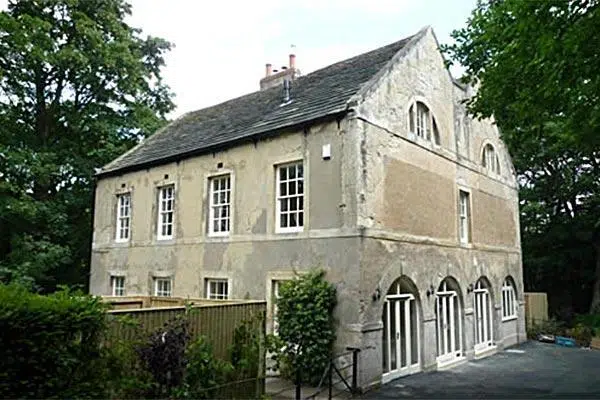
Similarly, our project to subdivide a Grade II listed building in Doncaster into two luxury dwellings demonstrated how historic buildings can be successfully adapted to meet contemporary requirements while retaining the features that make them unique.
These projects highlight the importance of understanding a building's history, identifying challenges early and delivering solutions that support both conservation and long-term usability.
Choosing the Right Contractor for Listed Building Refurbishment
When selecting a contractor, experience with heritage projects should be a key consideration.
Look for a construction partner that can demonstrate:
- Experience working on listed and historic buildings
- Strong project management and stakeholder coordination
- An understanding of conservation requirements
- Transparent communication throughout the project
- A proven track record of delivering quality workmanship
Listed buildings deserve a considered approach. The contractor you appoint will play a significant role in protecting the building's future.
Why Pacy & Wheatley?
For decades, Pacy & Wheatley has delivered complex refurbishment and construction projects throughout the UK across the healthcare, education, residential, commercial, industrial, retail and leisure sectors.
We combine heritage sensitivity with practical construction expertise to deliver refurbishment projects that protect historic character while meeting modern requirements. Our team understands the importance of collaboration, clear communication and meticulous planning when working on listed buildings.
From initial planning through to project completion, we help clients navigate complexity with confidence, ensuring historic buildings continue to serve future generations while retaining the qualities that make them significant.
Speak to Listed Building Refurbishment Specialists
If you are considering a listed building refurbishment project, early advice can help avoid costly mistakes and identify opportunities you may not have considered.
Whether you are planning a restoration, conversion, modernisation or complete refurbishment, our team can help you navigate the process with confidence.
Contact Pacy & Wheatley today to discuss your project and discover how our experience in listed building refurbishment can help you protect your building's heritage while creating a space that works for the future.